What Is a Baby Sling and Why Modern Parents Choose It
A baby sling is a versatile, fabric-based baby carrier designed to hold an infant or toddler close to the caregiver’s body. Unlike structured carriers, a sling uses a continuous piece of fabric-often secured with rings or sewn into a loop-to create a snug, ergonomic seat for the baby. We embrace baby slings because they combine comfort, convenience, bonding, and mobility in one elegant solution.
In today’s fast-paced world, parents seek tools that provide both practicality and emotional closeness. A high-quality baby sling allows us to keep our baby secure while maintaining freedom of movement. Whether navigating daily household tasks, traveling, or enjoying outdoor walks, the sling becomes an essential companion in modern parenting.
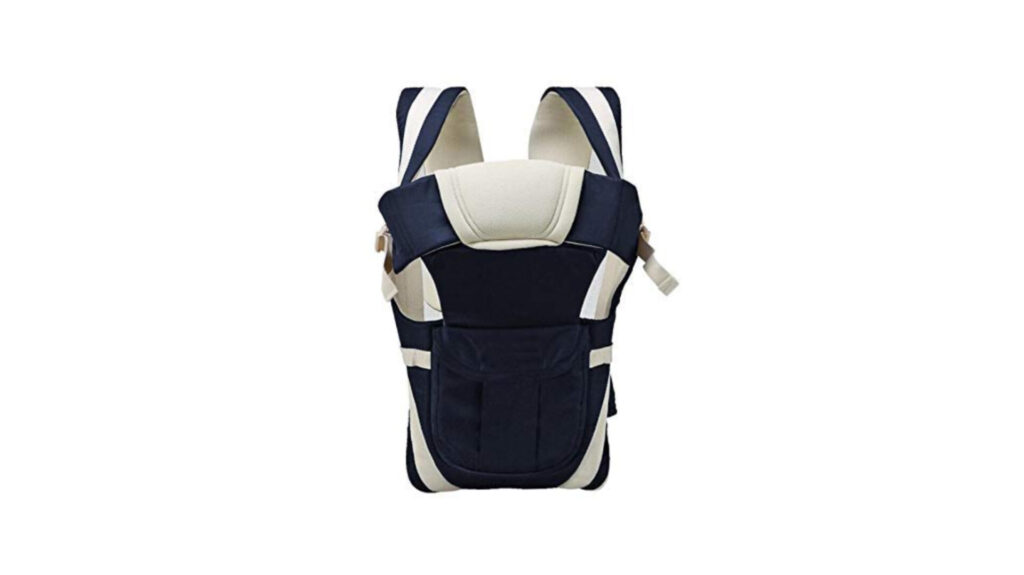
Types of Baby Slings
Understanding the different types of baby slings ensures we select the perfect fit for our lifestyle and our baby’s developmental stage.
1.Ring Sling
A ring sling features two sturdy rings sewn into one end of a long piece of fabric. The fabric threads through the rings, allowing adjustable tension. This design provides:
- Quick adjustments
- Easy on-and-off wear
- Ideal support for newborns and toddlers
- Multiple carry positions (hip, front, cradle)
Ring slings are especially favored for short trips and quick errands due to their simplicity and adaptability.
2. Pouch Sling
A pouch sling is a loop of fabric worn over one shoulder. It has no rings or buckles. While sleek and minimalist, it requires precise sizing. it offers:
- Streamlined design
- Lightweight portability
- Simple wear structure
However, correct sizing is crucial to ensure proper support and safety.
3. Stretchy Wrap Sling
Stretchy wraps are made from soft, elastic materials that mold around both baby and wearer. They provide:
- Snug newborn support
- Even weight distribution
- Hands-free comfort
These are particularly popular in the first months due to their gentle embrace and adaptability.
Benefits of Using a Baby Sling
- Enhanced Parent-Baby Bonding
- Improved Infant Comfort and Reduced Crying
- Hands-Free Convenience
- Ergonomic Support for Healthy Development
How to Use a Baby Sling Safely
Safety is paramount when babywearing. We ensure the following principles are always followed:
Correct Positioning:
- Baby’s face must remain visible and uncovered.
- Chin should not rest on the chest.
- Airways must remain clear at all times.
- Baby should sit high enough to kiss the top of their head easily.
Proper Tightness: The sling should be snug enough to prevent slouching. Loose fabric can compromise posture and breathing. A firm, secure wrap ensures optimal comfort and support.
Age-Appropriate Carrying: Newborns require additional head and neck support. As babies grow, hip or back carries become more appropriate.
Regular Fabric Inspection: We routinely check for wear and tear, especially around seams and rings. High-quality stitching and durable materials are essential for long-term use.
Best Carrying Positions in a Baby Sling
Newborn Cradle Hold: Ideal for early weeks, offering gentle support while maintaining close chest contact.
Front Upright Carry: Perfect for infants with growing neck strength. Promotes eye contact and interaction.
Hip Carry: Suitable for older babies who enjoy observing surroundings. Distributes weight efficiently across the shoulder.
Back Carry: Recommended for toddlers and experienced wearers, offering greater freedom of movement.
Baby Sling vs Baby Carrier: Understanding the Difference
While both serve similar purposes, key distinctions exist.
| Feature | Baby Sling | Structured Carrier |
| Fabric | Single piece | Padded frame |
| Adjustability | High | Moderate |
| Portability | Lightweight | Bulkier |
| Newborn Suitability | Excellent | Often requires insert |
A baby sling offers simplicity and flexibility, making it an attractive choice for parents who value minimalist solutions.
Common Mistakes to Avoid
- Wearing the sling too loosely.
- Covering baby’s face with fabric.
- Ignoring weight limits.
- Choosing incorrect size for pouch slings.
- Failing to monitor baby’s breathing position.
By avoiding these errors, we ensure safe and effective babywearing.
Baby Sling for Travel and Outdoor Adventures
A baby sling transforms travel experiences. Unlike bulky strollers, it allows effortless navigation through airports, crowded streets, and uneven terrain. It reduces dependency on elevators and ramps, making urban mobility seamless.
For outdoor activities such as hiking or sightseeing, slings offer proximity and stability. The baby remains calm and secure while we move freely.
Fashion Meets Functionality
Modern baby slings are available in elegant patterns, neutral tones, and luxury fabrics. They complement contemporary wardrobes while serving practical needs. From minimalist monochrome designs to vibrant prints, baby slings have evolved into both parenting tools and fashion statements.
When to Start and How Long to Use a Baby Sling
A baby sling can be used from birth, provided proper positioning is maintained. With correct weight capacity and support, slings can comfortably carry toddlers up to 15-20 kilograms depending on fabric strength.
As children grow more independent, slings remain useful for naps, crowded environments, or extended outings.
Why Every Parent Should Consider a Baby Sling
A baby sling is more than a carrier-it is a tool for nurturing closeness, fostering emotional development, and simplifying daily life. Its adaptability, ergonomic design, and aesthetic appeal make it an indispensable asset for modern families.
By choosing a high-quality baby sling and using it correctly, we create a secure, comforting environment that benefits both caregiver and child. It empowers us to stay connected while remaining productive and mobile.
The baby sling represents the perfect balance between intimacy and independence, support and freedom, tradition and innovation. For parents seeking a practical yet deeply nurturing solution, the baby sling stands unmatched.
About the Author