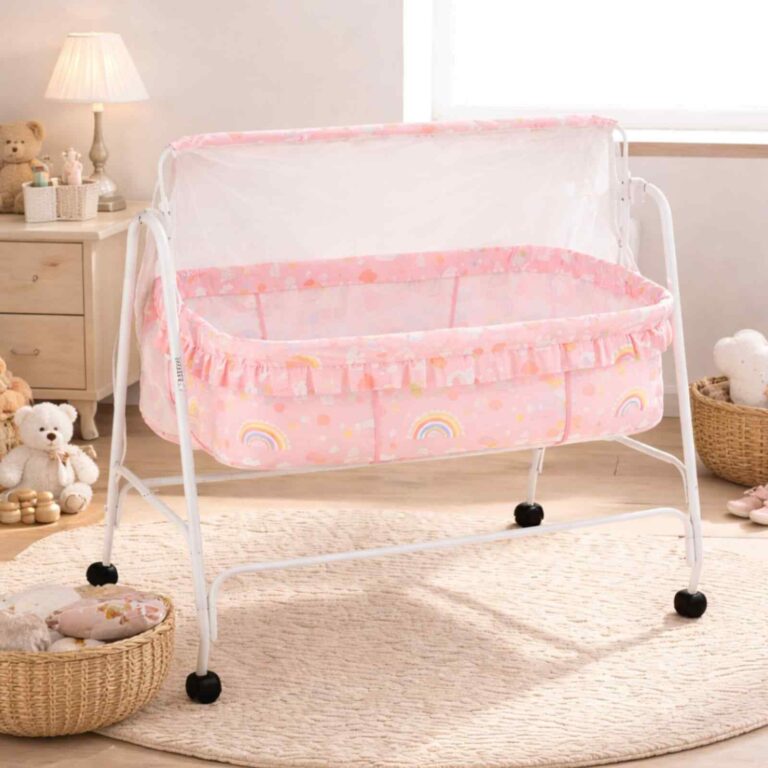
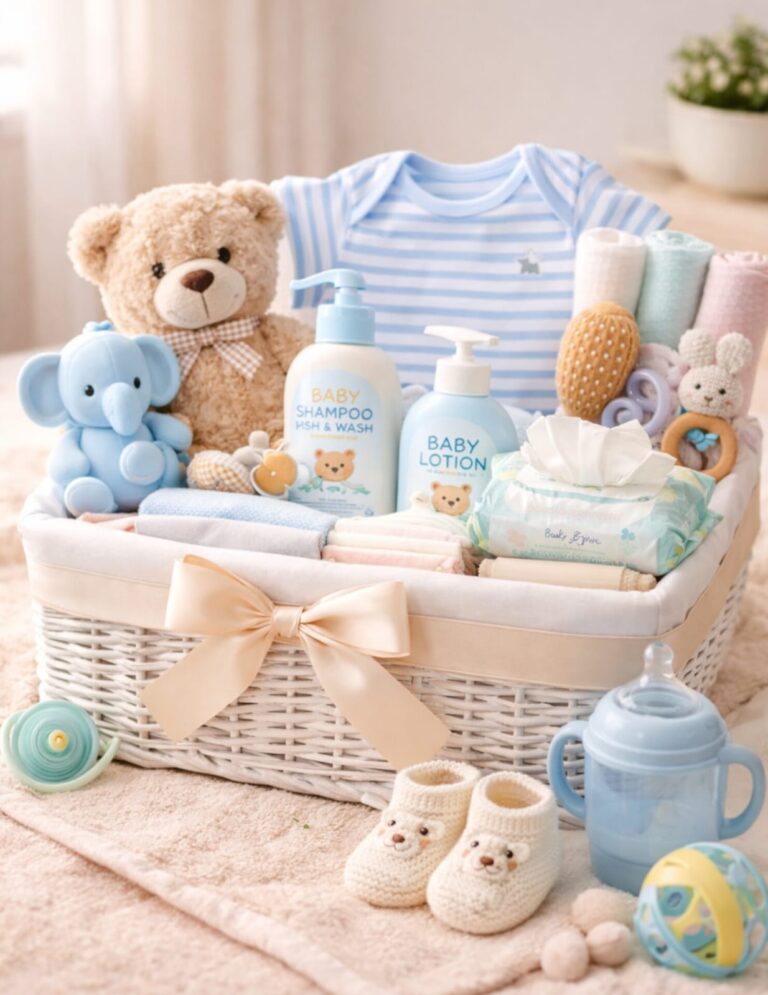
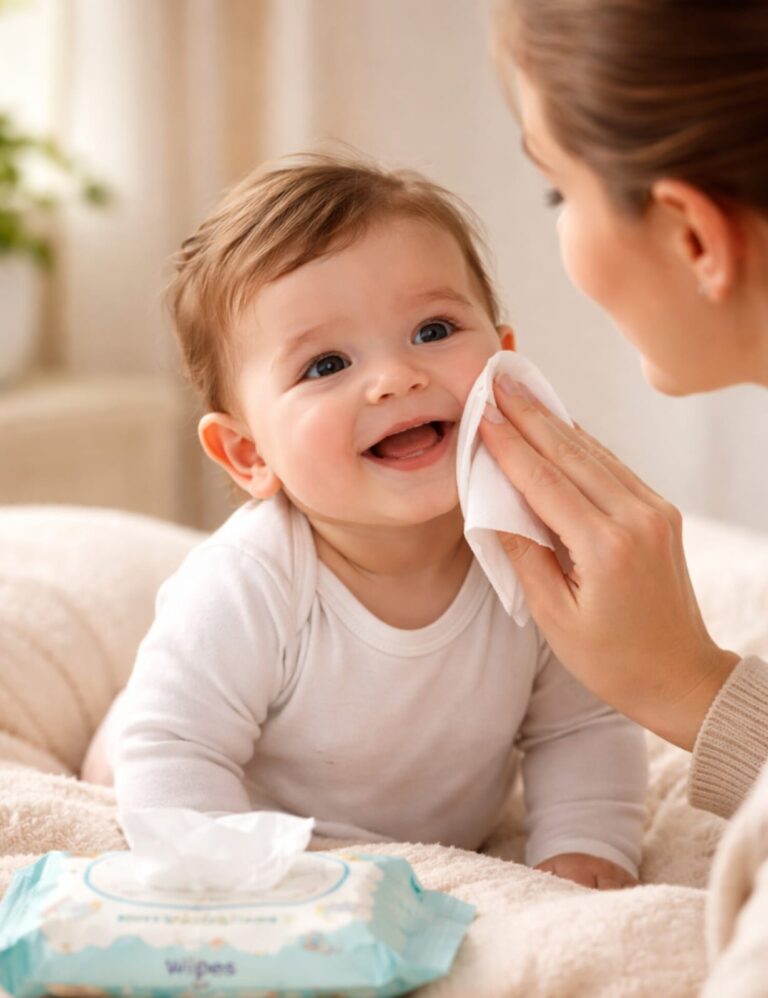
A baby cradle is more than just a sleeping space-it is a sanctuary of comfort, safety, and nurturing for your newborn. As parents, we understand that the first months of a baby’s life demand special attention to sleep quality, ergonomic design, and emotional security. A well-designed cradle not only ensures restful sleep but also promotes healthy development while giving parents peace of mind.
In this comprehensive guide, we explore everything you need to know about selecting the perfect baby cradle, including types, features, materials, and modern innovations that redefine infant care.
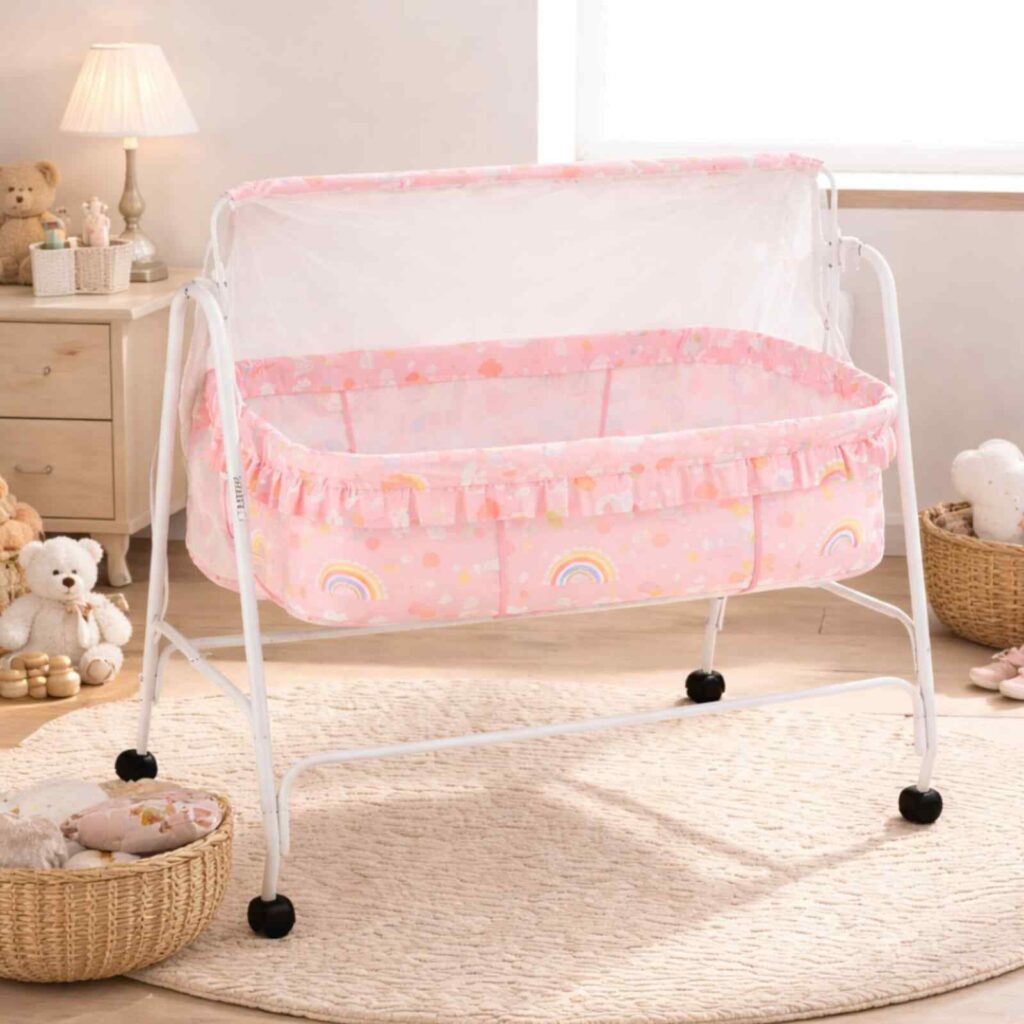
Why a Baby Cradle is Essential for Newborns
A baby cradle offers a unique combination of gentle motion, compact design, and comfort, which distinguishes it from standard cribs. The rocking or swinging motion mimics the soothing environment of the womb, helping babies fall asleep faster and stay asleep longer.
Key Benefits of Using a Baby Cradle
- Promotes Better Sleep: Gentle rocking calms infants and reduces fussiness.
- Compact and Portable: Ideal for small spaces and easy movement within the home.
- Enhanced Bonding: Keeps your baby close, especially during the early months.
- Ergonomic Support: Designed to support delicate newborn bodies.
Types of Baby Cradles
Choosing the right type of cradle depends on your lifestyle, space, and preferences. Let us explore the most popular options available today.
1. Traditional Wooden Cradles: These timeless designs offer durability, elegance, and natural aesthetics. Crafted from high-quality wood, they are sturdy and often feature classic rocking mechanisms.
2. Modern Bassinet-Style Cradles: These cradles combine lightweight materials with contemporary design, making them perfect for urban homes. Many include breathable mesh sides for improved airflow.
3. Electric Baby Cradles: Equipped with automatic rocking, lullabies, and timers, these cradles provide convenience for busy parents. Some models even include remote control or smartphone connectivity.
4. Hanging Cradles (Jhula Style): Popular in many cultures, these cradles provide a natural swinging motion that soothes babies effectively. They are typically made from cloth or lightweight materials.
5. Convertible Cradles: Designed for long-term use, these can be converted into cribs or toddler beds, offering excellent value for money.
Key Features to Look for in a Baby Cradle
Selecting the ideal cradle requires careful consideration of several important features.
Safety Standards: Safety is non-negotiable. Ensure the cradle meets international safety certifications and includes-
- Sturdy construction
- Secure locking mechanisms
- Non-toxic finishes
- Stable base to prevent tipping
Comfort and Mattress Quality: A good cradle includes a firm yet comfortable mattress that supports proper spinal alignment. Look for breathable, hypoallergenic materials.
Rocking Mechanism: A smooth and controlled rocking motion is essential. Avoid cradles with jerky or unstable movement.
Portability: Lightweight cradles with wheels or foldable designs offer ease of movement and storage.
Breathability: Mesh sides or ventilated panels ensure proper airflow, reducing the risk of overheating.
Best Materials for Baby Cradles
The material of a cradle significantly impacts durability, safety, and comfort.
Wood
- Strong and long-lasting
- Eco-friendly and aesthetically pleasing
- Requires proper finishing to avoid splinters
Metal
- Durable and modern
- Lightweight options available
- Must be rust-resistant
Fabric
- Soft and cozy
- Often used in hanging cradles
- Should be washable and breathable
Plastic
- Affordable and lightweight
- Easy to clean
- Ensure it is BPA-free and non-toxic
Safety Tips for Using a Baby Cradle
Ensuring your baby’s safety is paramount. Follow these essential guidelines:
- Always place the cradle on a flat, stable surface
- Avoid adding pillows, toys, or loose bedding
- Ensure the baby lies on their back while sleeping
- Regularly inspect for wear and tear
- Use safety straps if provided
Modern Innovations in Baby Cradles
Today’s baby cradles are equipped with advanced technology that enhances convenience and safety.
Smart Cradles: These include features like-
- Automatic motion detection
- Cry sensors
- App-based controls
- Sleep tracking analytics
Eco-Friendly Designs: Sustainable materials and non-toxic finishes are becoming increasingly popular among environmentally conscious parents.
Multi-Functional Designs: Cradles now serve multiple purposes, such as-
- Changing stations
- Storage compartments
- Play areas
How to Choose the Perfect Baby Cradle
When selecting a cradle, we recommend evaluating the following:
1. Space Availability: Measure your room to ensure the cradle fits comfortably without overcrowding.
2. Budget Considerations: Determine a budget range while prioritizing quality and safety over price.
3. Lifestyle Needs: Frequent travelers may prefer portable or foldable designs, while tech-savvy parents may opt for smart cradles.
4. Longevity: Invest in convertible models if you want a long-term solution.
Maintenance and Care Tips
Proper maintenance extends the life of your baby cradle and ensures hygiene.
- Clean the cradle regularly with mild, baby-safe cleaners
- Wash fabric components frequently
- Check screws and joints for stability
- Store in a dry environment to prevent damage
Conclusion
A baby cradle is an essential investment that directly impacts your newborn’s comfort and well-being. By selecting a cradle that prioritizes safety, comfort, and functionality, we create a nurturing environment where our baby can sleep peacefully and grow healthily.
With the right choice, a cradle becomes more than just a piece of furniture-it becomes a foundation for restful sleep, emotional security, and joyful parenting.
About the Author